see more works


Interactive Art Installation
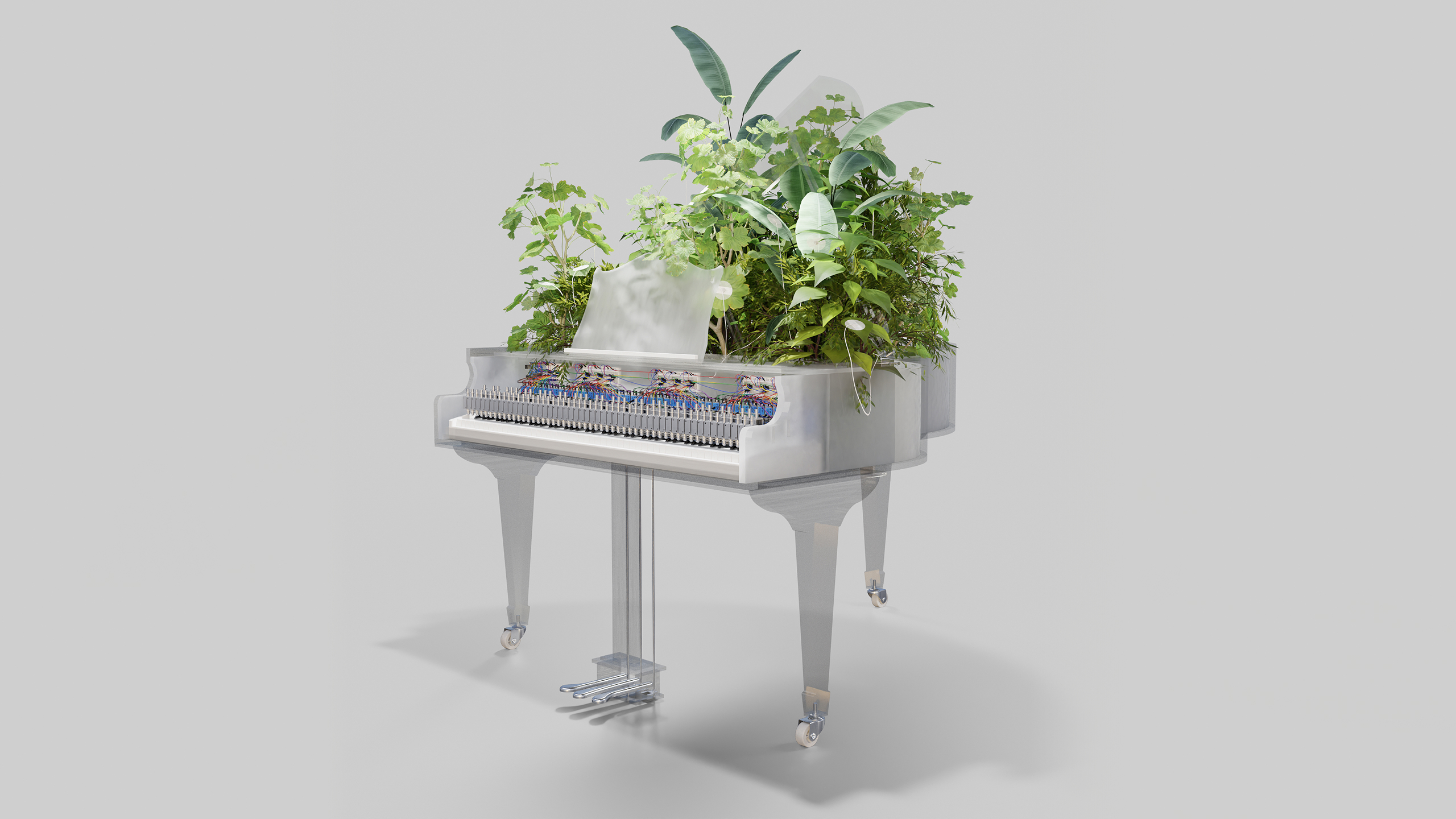
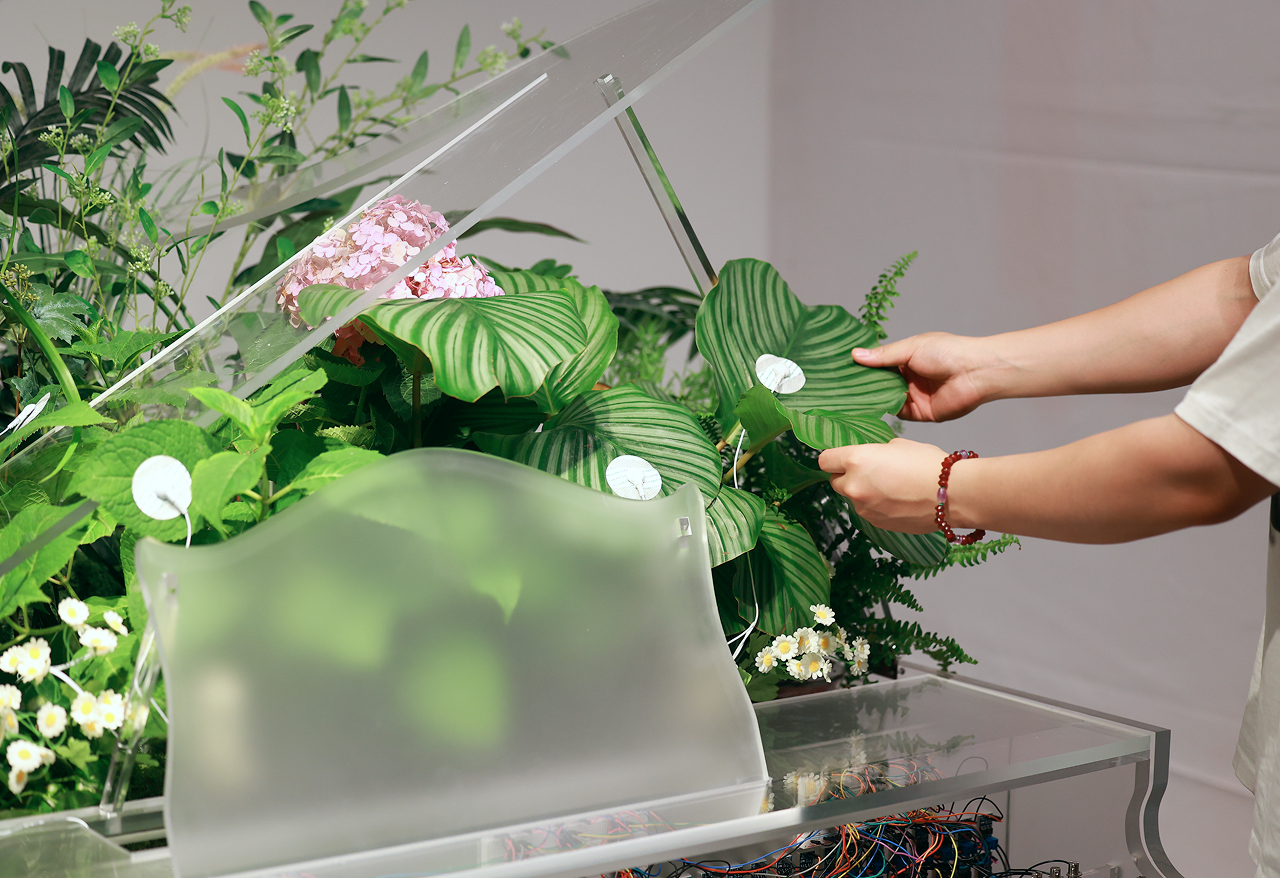
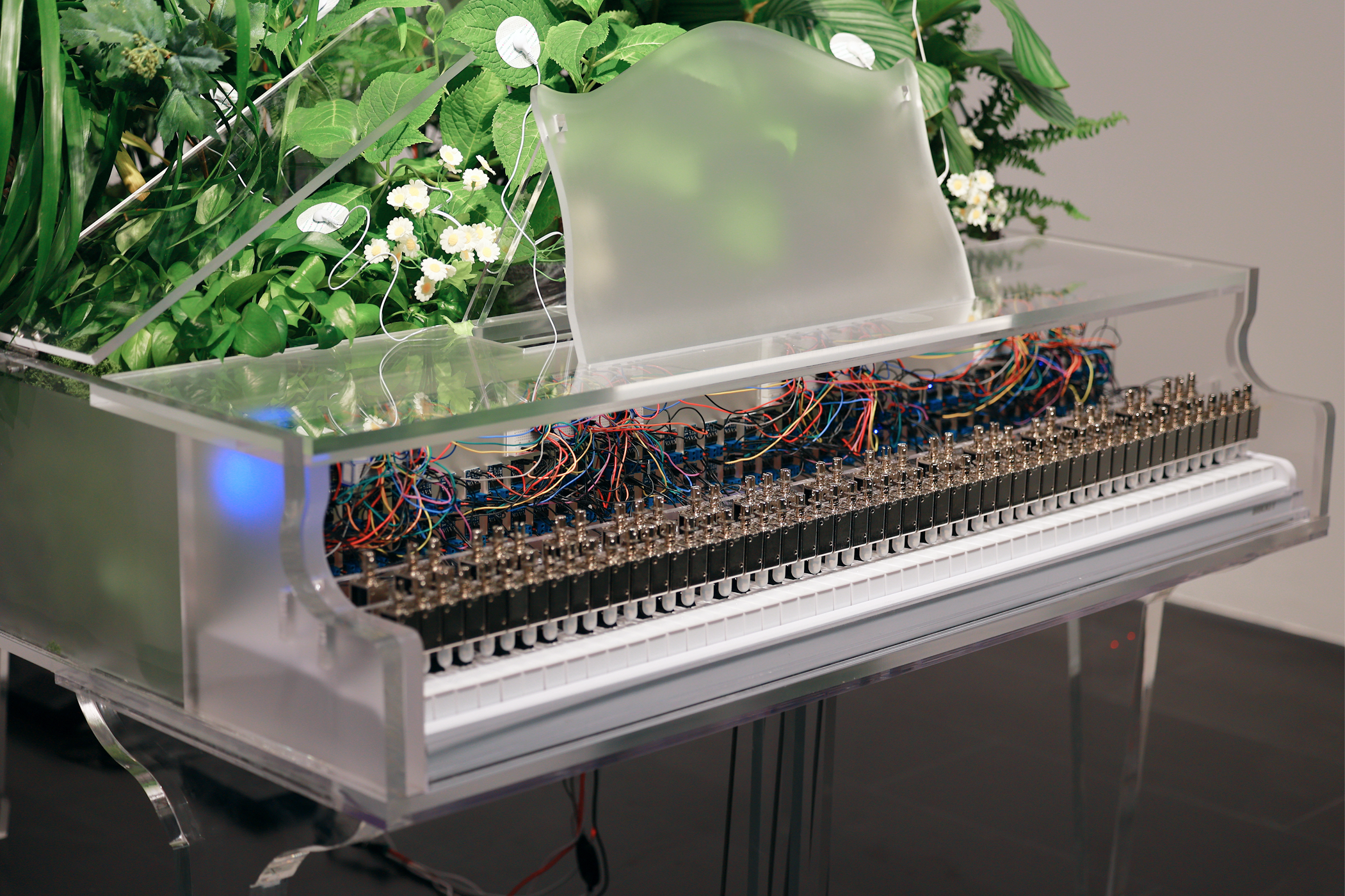
Plants are never silent—they have always been “playing” in their own way. Plant Pianist captures real-time bioelectrical signals from plants and translates them into piano melodies, allowing each plant to become an improvising performer. Different species exhibit distinct musical “signatures,” while audience touch triggers variations in the composition. Here, plants shift from passive decoration to co-creators of music.
In a sense, everything has its own language. Humans communicate through complex languages, artificial intelligence through code, animals through scents, calls, or movements. Plants, too, have always been “speaking”: the fluctuating bioelectrical signals within their bodies form a subtle, yet real, language. Their rhythms and patterns shift with growth stages, environmental changes, and light or temperature conditions, quietly expressing themselves in ways we often overlook.
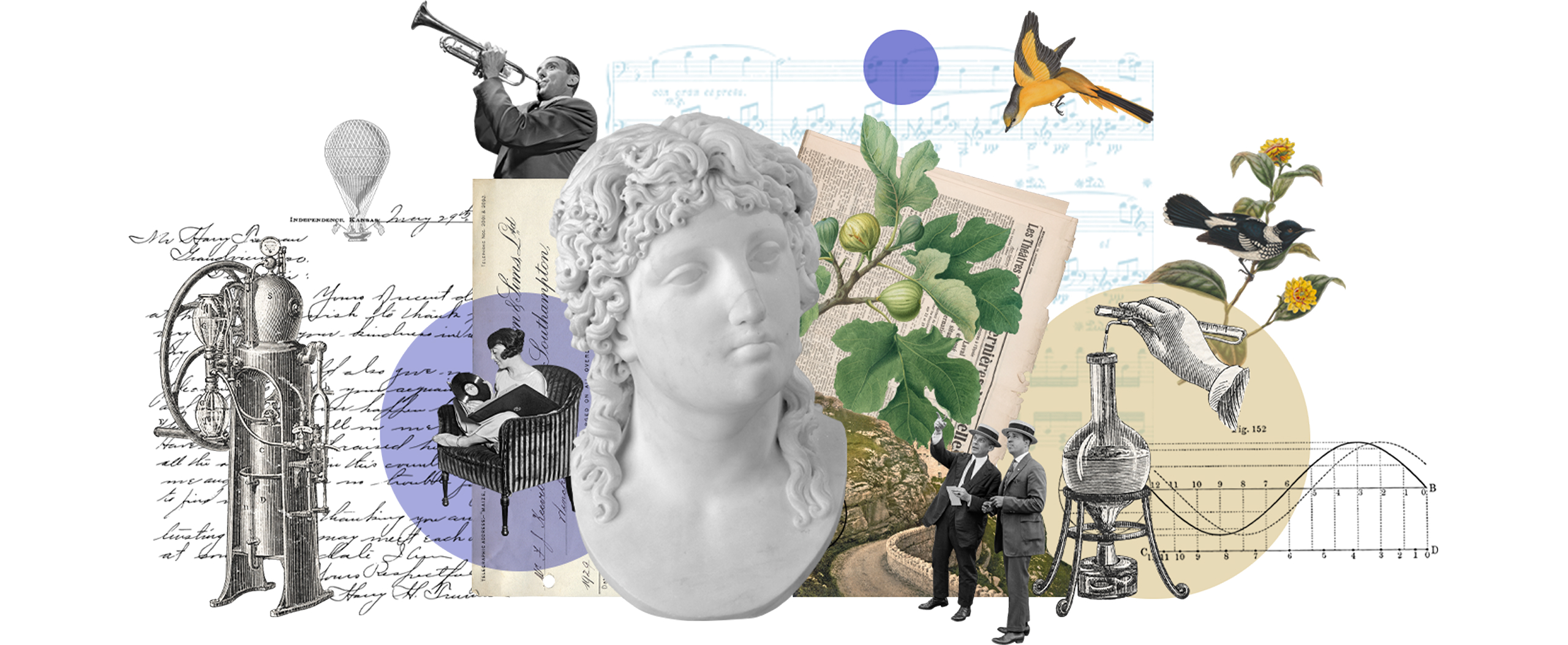
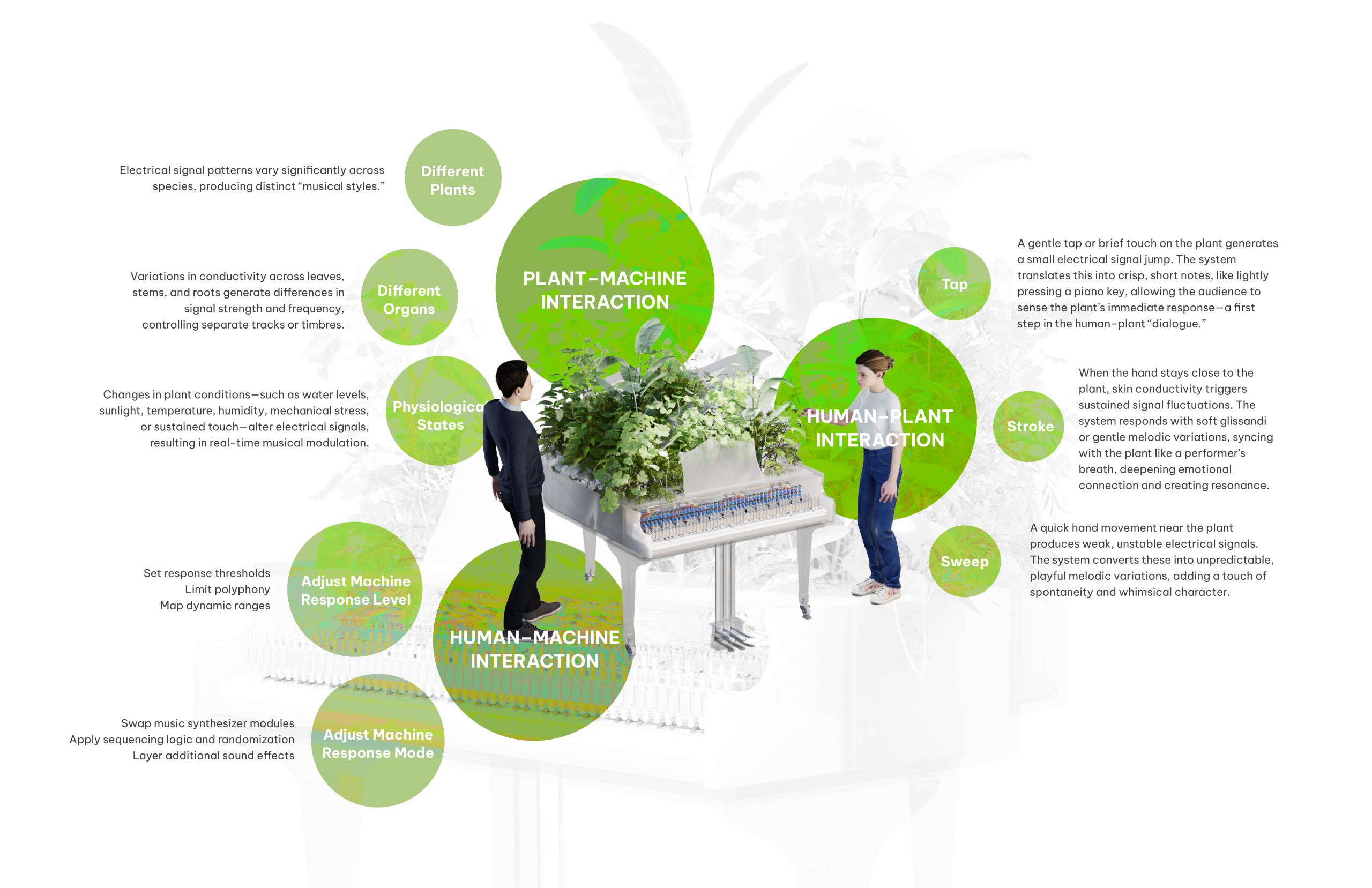
Research shows that different organs of the same plant exhibit distinct electrical patterns.
Research shows young people see mental health as the top factor in a healthy lifestyle, surpassing sleep, diet, and exercise. In the survey, 42% selected "severely affected."
Research shows the mental health app market hit $5.19 billion in 2022 and is expected to grow by 17.7% annually. Surveys show young people urgently need a personalized tool to prevent emotional issues.
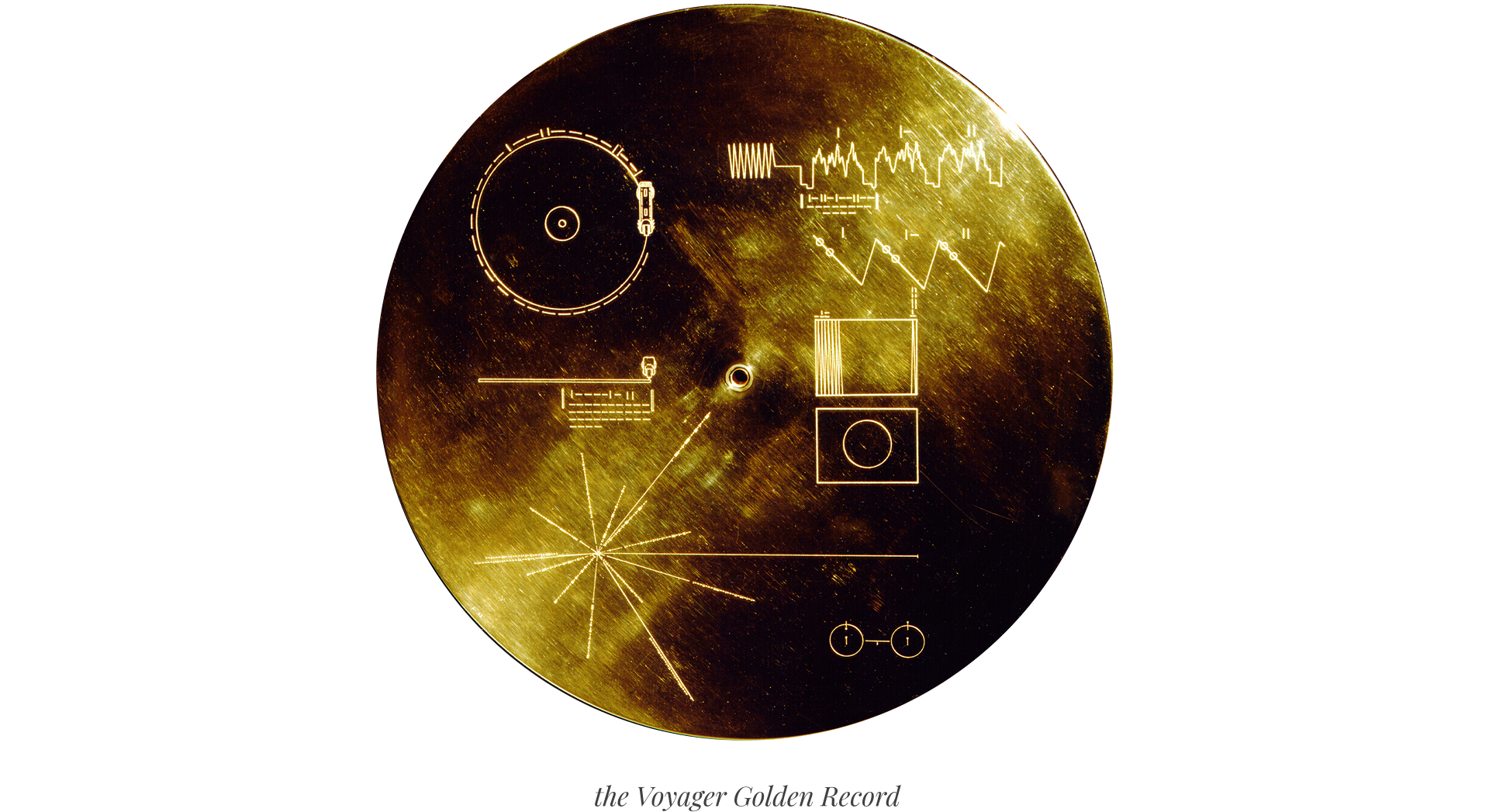
I wanted to create a “translator” for this often-overlooked language, converting plant responses and emotional states into a form humans can perceive. Among all possible mediums, music felt most natural and transcendent. Music bridges languages, cultures, and even species: it resonates across diverse human audiences and can even elicit responses from animals. Just as the Voyager Golden Record carried music to potential extraterrestrial civilizations, music possesses a universal communicative power—making it the ideal medium for human-plant interaction.
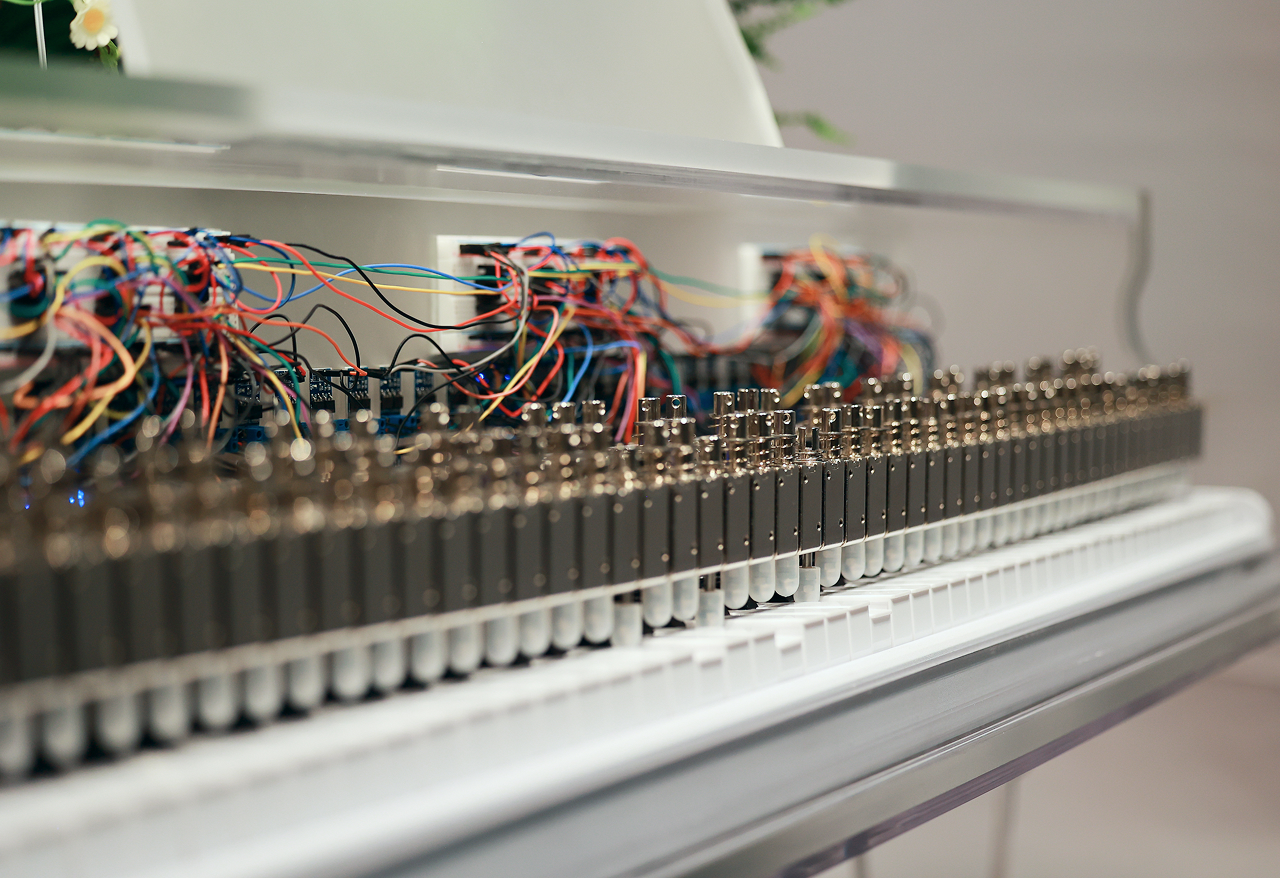
What form should this translator take? I chose the piano. It is both culturally symbolic and highly emotive. Its 88 keys resemble 88 “fingers,” which I can control mechanically and electro-magnetically, metaphorically giving plants a “body” to express themselves. Compared to visual projections or light-based displays, piano sound is subtle yet powerful. Unlike some bio-art installations that play pre-set sounds, this system allows plants to “perform” in real time, influenced by audience touch. This creates a delicate triad of co-creation among humans, plants, and machines.
Once the concept was defined, I used Midjourney to quickly generate visualizations of the installation. I aimed for a design that feels both technological and natural, familiar yet uncanny—at once mysterious, surreal, sacred, and ethereal—capturing the unique essence of the interaction.
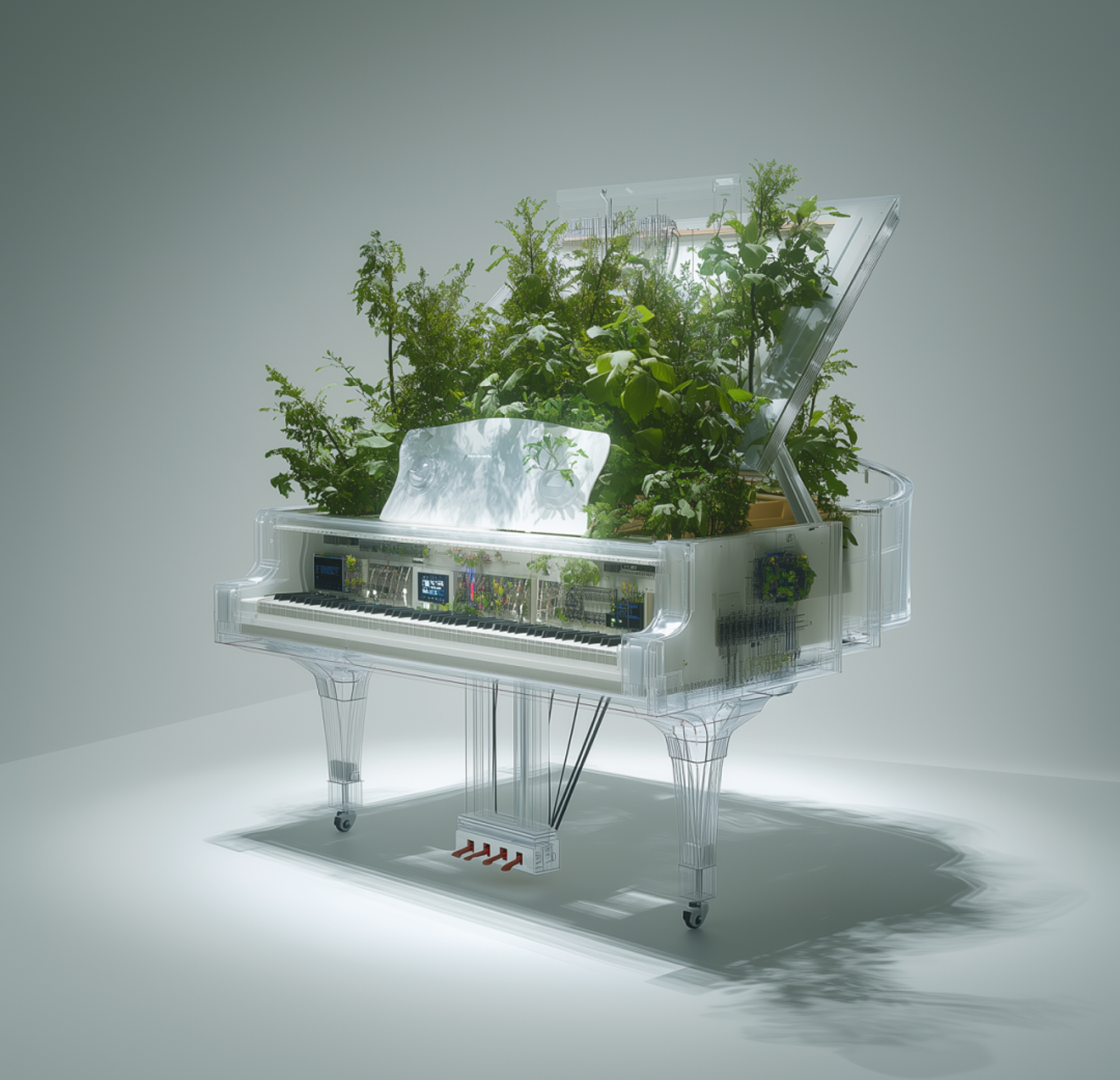
Plants × Machines × Humans
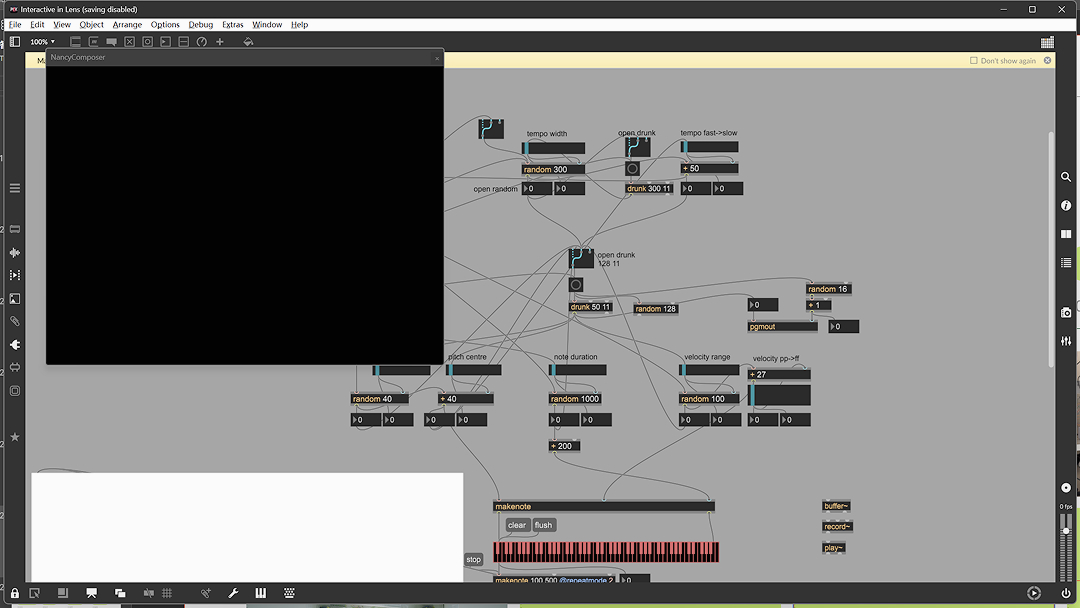
In the early phase, I tested various sensors, circuits, and sound synthesis methods on a small scale to evaluate stability and interaction quality, laying the technical foundation for the final installation. The initial sound generation was implemented in Max MSP, but due to complex logic and data transfer bottlenecks with Arduino, we switched to VCV Rack for more efficient and stable performance.
Using minimal sensors, plants, and electromagnets, I validated the complete signal chain—from electrical signal acquisition and data processing to note output controlling the electromagnets. After confirming the technical approach, I built the full prototype with 88 electromagnets, complete circuitry, and high-fidelity sound, providing final verification before constructing the physical installation.


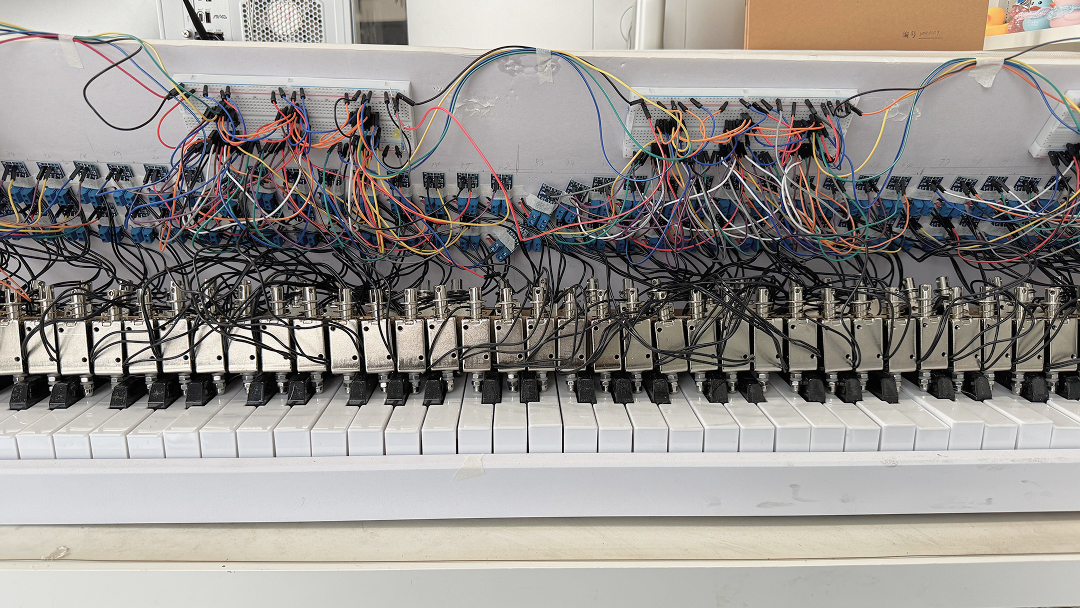

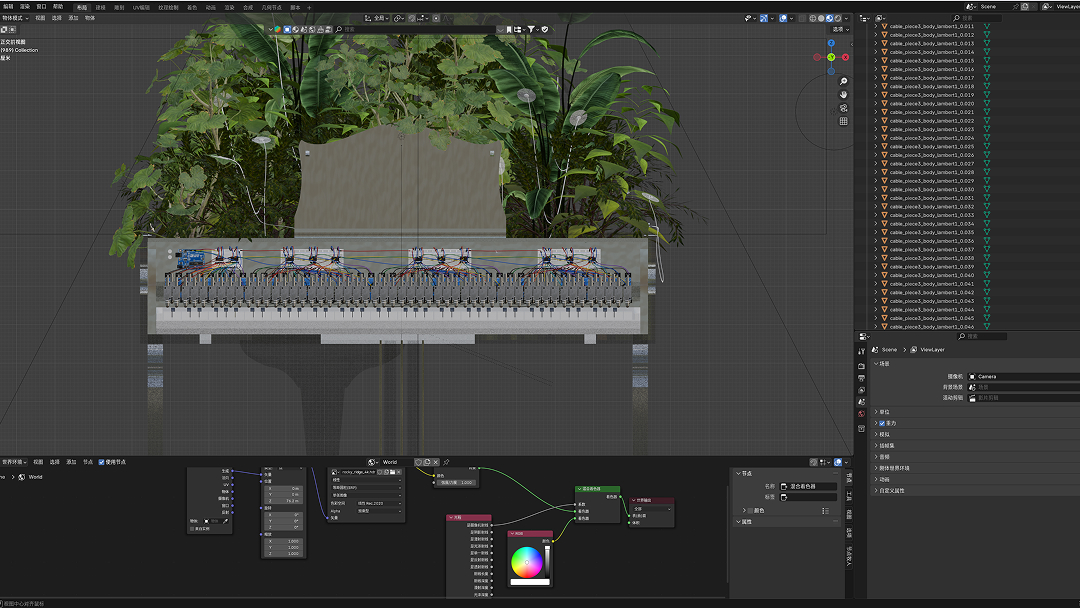
I modeled the installation in Blender, planning plant positions, electromagnet layout, and component assembly. Detailed vector drafting was executed in Adobe Illustrator (AI) based on the model planes, generating precise acrylic laser-cutting and thermal bending plans for the manufacturer. This ensured high assembly precision for the framework and accurate reference for circuitry layout.
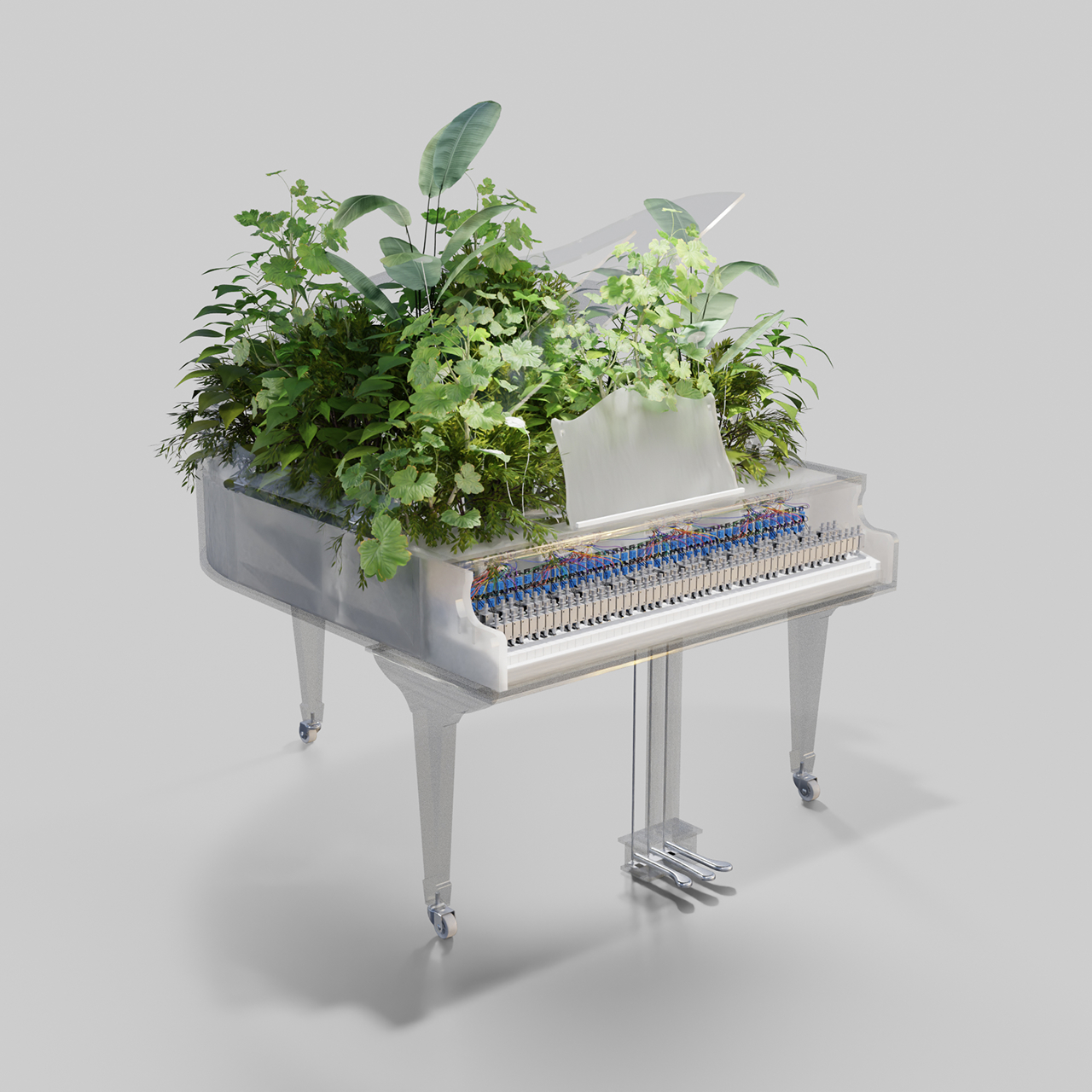

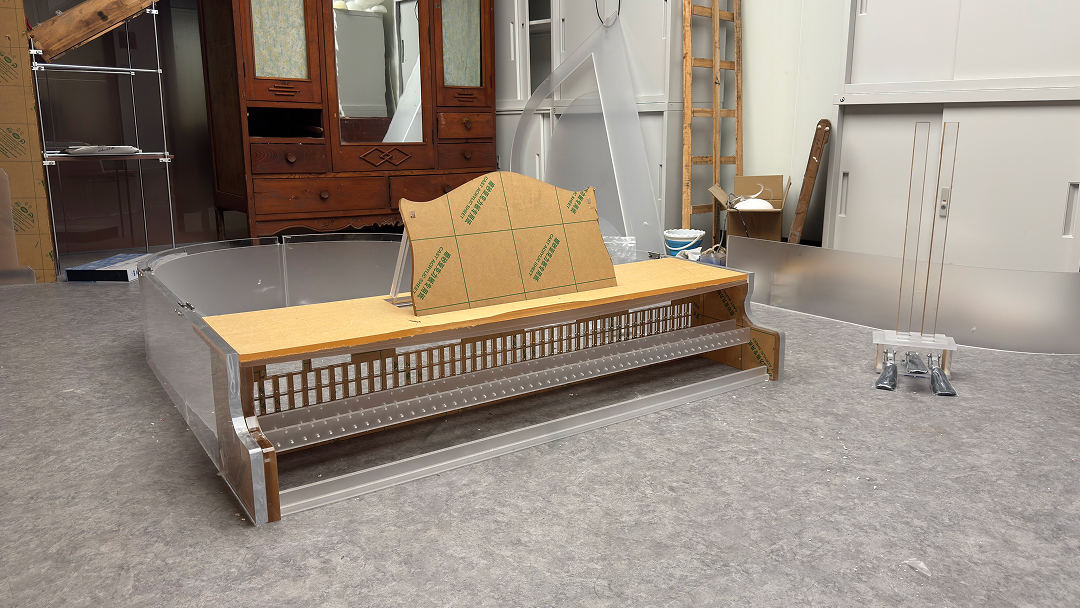
Components were fabricated and returned by the manufacturer, with continuous communication to prevent misunderstandings. I completed final assembly. To stabilize the piano legs and upper base, I reinforced with AB glue without affecting visual aesthetics, and created plant containers with faux moss and floral clay.